
ChatGPT ads are sponsored placements that appear below ChatGPT’s answers, matched to the intent of the conversation instead of to a keyword or a demographic profile. They matter because they put a paid channel inside the place where people now compare options and make decisions, and they end the era in which Google and Meta were the only two doors into paid digital advertising. They also make your organic visibility more valuable: OpenAI states that ads cannot influence the answer itself, so the recommendation still has to be earned.
What are ChatGPT ads?
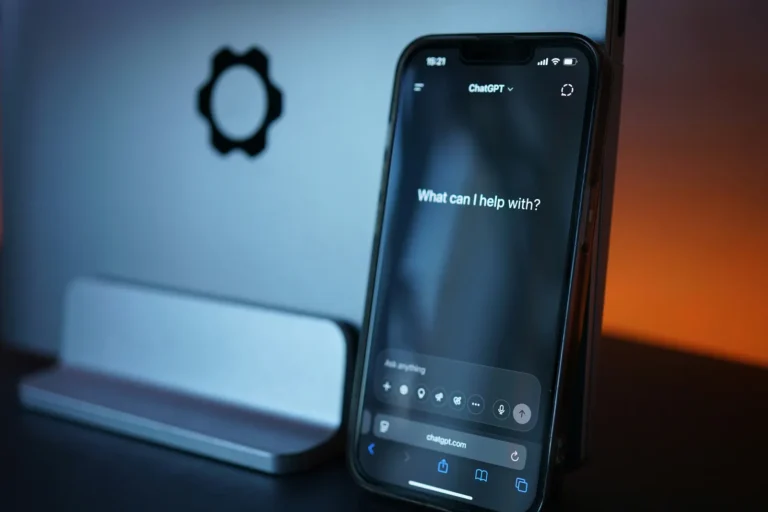
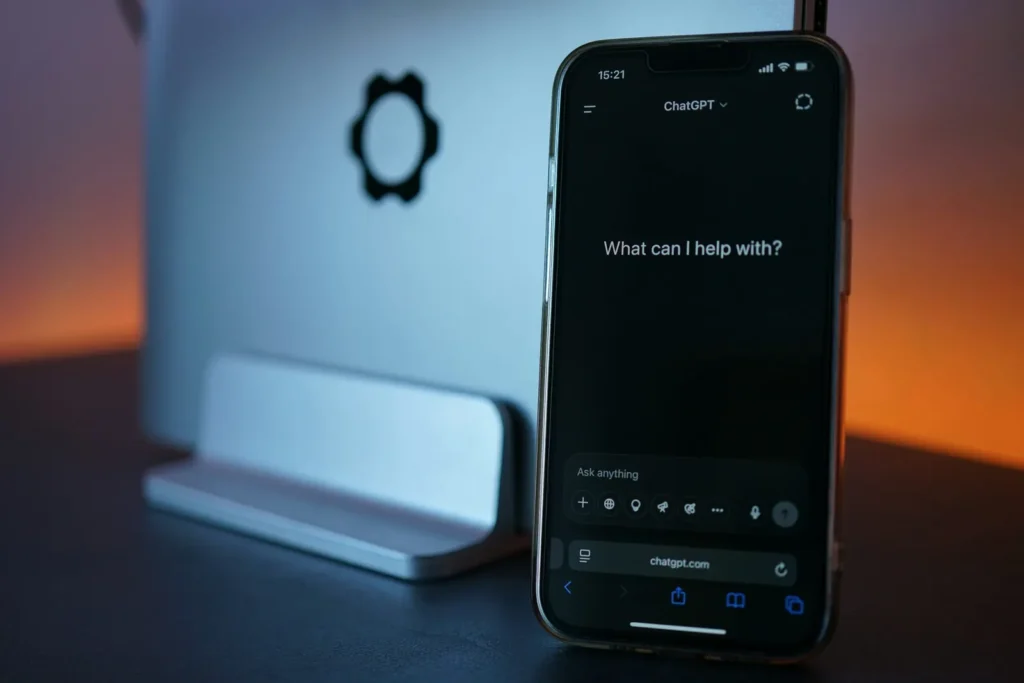
They are clearly labelled “Sponsored” units shown at the bottom of a ChatGPT response. Each one carries the advertiser’s name, a headline, a short description, an image and a link. A second format pulls from a product feed and shows prices and star ratings.
The timeline moved fast:
- February 9, 2026OpenAI begins testing ads in the US for Free and Go users.
- April 2026The pilot expands to Canada, Australia and New Zealand.
- May 2026A self-serve Ads Manager launches, adding cost-per-click bidding. You no longer need an enterprise budget to get in.
- August 2026Rollout across 31 European countries. OpenAI reports a $1 billion annualized revenue run rate, reached in about 200 days, with “tens of thousands” of advertisers.
- September 16, 2026OpenAI adds Sponsored Agents, plus integrations with HubSpot — the first CRM to manage ChatGPT Ads natively — and Shopify.
Who sees them: adults on the Free and Go plans. Plus, Pro and Business subscribers do not see ads, and neither do accounts identified as under 18.
How do ChatGPT ads work?
This is where it stops looking like Google Ads. There are no keywords to bid on and no interest or demographic targeting. According to OpenAI’s own documentation, an ad is selected based on:
- The context and intent of the current conversation.
- The ad’s headline, copy and landing page.
- “Context hints” written by the advertiser: plain-language descriptions of the conversations and topics where the offer is relevant. OpenAI is explicit that these are not exact-match keywords and do not guarantee delivery.
- Signals from the user’s broader ChatGPT experience, only if that user has ad personalization turned on.
You can pay per thousand impressions or per click. OpenAI recommends starting CPC bids at $3 to $5 USD, and Search Engine Land reports daily budgets starting at $25.
Measurement runs through an OpenAI pixel and a Conversions API. You get impressions, clicks, spend, CTR and conversions. What you do not get is the conversation. Advertisers never see the chat that triggered the ad, which means no search terms report.
Can you pay to be recommended by ChatGPT?
No. This is the most important sentence in the whole product. OpenAI’s first operating principle for ads is answer independence: “Ads do not influence the answers ChatGPT gives you.”
So every commercial conversation now has two separate layers:
The two or three businesses ChatGPT actually names. Earned, never bought.
A labelled unit underneath. Bought, never confused with the answer.
A customer asks who the best option is. ChatGPT names three businesses. Your ad shows up below, and you are not one of the three. You have just paid to be the company the AI did not recommend.
What are Sponsored Agents?
On September 16, OpenAI started testing a second ad format. Instead of sending the click to your website, it opens a separate conversation with your own AI agent inside ChatGPT. OpenAI describes it as a clearly labelled conversation, distinct from ChatGPT’s independent answers. It is limited to selected advertisers in the United States for now.
Two integrations landed the same day. HubSpot became the first CRM that can create ChatGPT campaigns, track performance and follow up on leads without leaving it. Shopify released a free app that lets merchants run campaigns from their admin.
What OpenAI did not publish is as telling as what it did: no pricing, no measurement specification, and no statement on what advertisers see from those conversations. So the same gap as before, one layer deeper. You can now buy the conversation, and you still cannot buy the answer above it.
For a small business the practical read has not changed. This is infrastructure for advertisers who already have volume. The agent you would point the ad at is only as good as the content behind it — which is the organic layer again, wearing a different hat.
How do ChatGPT ads help your SEO strategy?
They do not replace it. They raise the return on it. Three reasons.
1. Your landing page is now a targeting input. OpenAI reads the page to decide when your ad is relevant. The same things that make a page citable by AI engines make it matchable for ads: a direct answer in the first paragraph, clear service and location signals, structured data, and copy that says what you do instead of how passionate you are. Vague pages get vague matching.
2. The paid and organic layers compound. When your brand is named in the answer and also appears underneath it, the ad reads as confirmation. When only the ad appears, it reads as an interruption. It is the same logic as holding both the organic and the paid result on a Google results page. The difference is that in ChatGPT the organic layer has two or three slots, not ten.
3. Ads give you a paid test bench for AI intent. Until now, AI visibility work was close to blind: we run prompt sets for clients every month and track citations by hand. Context hints let you test which conversation themes produce clicks and leads in days. The themes that convert tell you exactly which answer-first content to build next. Paid becomes research for organic.
If you have been putting off answer engine and generative engine optimization (AEO and GEO) because “AI search doesn’t have a business model yet”, that argument expired this year. The factors that get a business named in the answer are the same ones we covered in how to get your business cited by ChatGPT.

Does this end the Google and Meta duopoly?
Not in dollars. Not yet. Emarketer’s 2026 forecast puts Meta at 26.8% and Google at 26.4% of global digital ad revenue. That is more than half the market between two companies. OpenAI’s $1 billion run rate is a rounding error next to that.
But the dollars are not the story. The dimension is.
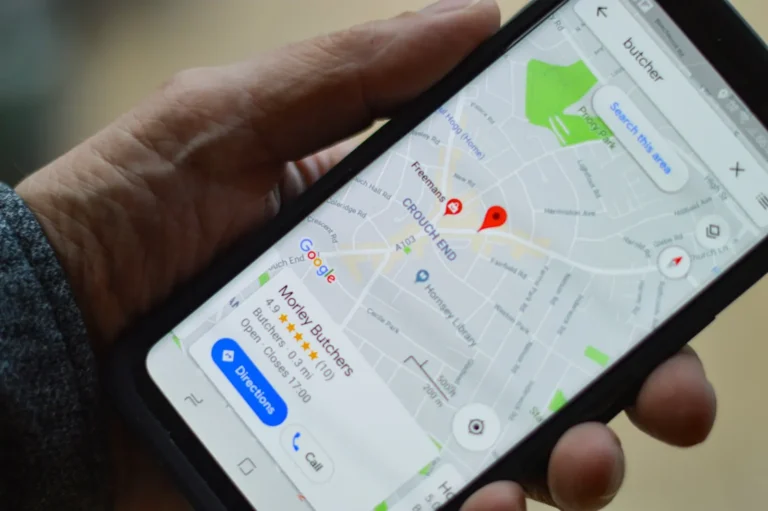
For fifteen years, paid digital advertising meant choosing between two kinds of signal. Google sold you declared intent: a few words typed into a box. Meta sold you inferred interest: who someone is and what they scroll past. Every other platform was a variation on one of the two.
| Platform | What it sells | The signal |
|---|---|---|
| Google Ads | Declared intent | A few words typed into a box |
| Meta Ads | Inferred interest | Who someone is and what they scroll past |
| ChatGPT Ads | Conversational context | Situation, budget, constraints and doubts, in full sentences |
Conversational advertising is a third kind. The user has explained their situation, their budget, their constraints and their doubts, in full sentences, before your ad is ever considered. That is more context than a keyword and more intent than an interest. No platform has sold that before.
The trajectory matters too. OpenAI has reportedly told investors it expects $2.5 billion in ad revenue this year and is targeting $100 billion by 2030. Whether or not it gets there, the monopoly Google and Meta held on where a paid strategy begins is over. Media plans now have a third column.
Should your business advertise on ChatGPT right now?
My honest read: test it, do not bet on it.
Early performance data is mixed. One case study published by Search Engine Land compared roughly 1,500 visitors from each platform: Google Ads converted at 3.71%, ChatGPT Ads at 0.21%, with less than half the engagement time. One campaign is not a verdict, but it is a useful antidote to the hype.
The businesses that win this channel will not be the ones that arrive first with a credit card. They will be the ones ChatGPT already recommends, who then add the ad on top.Aldo Rendón Migliuolo, founder, Remi Creative
A sensible order of operations:
- Check the organic layer first. Ask ChatGPT the five questions your customers ask before they buy. Are you named?
- Fix your top landing pages. Answer-first copy, schema, clear entity signals. This pays off in Google, in AI answers and in ad matching.
- Run a small, capped test. One campaign, two or three context-hint themes, conversion tracking installed before you spend a dollar.
- Feed what you learn back into content. The themes that convert become your next articles and service pages.
Frequently asked questions
Are ChatGPT ads available in Canada?
Yes. Canada was part of OpenAI’s first international expansion in spring 2026, and Canadian advertisers can now buy through the self-serve Ads Manager. Ads are shown to adult users on the Free and Go plans.
How much do ChatGPT ads cost?
You can bid per click or per thousand impressions. OpenAI recommends starting CPC bids between $3 and $5 USD, and early campaigns report actual CPCs of $2 to $5 across industries, with daily budgets from $25. The original pilot required six-figure commitments; the self-serve platform removed that barrier.
Do ChatGPT ads affect what ChatGPT recommends?
No. OpenAI states that ads do not influence ChatGPT’s answers, that ads are always labelled and separate from the response, and that advertisers cannot see users’ conversations. Being recommended in the answer depends on your organic visibility: content, reviews, third-party mentions and how clearly machines can understand what your business does.
Does ChatGPT already recommend your business, or your competitor?
Our free visibility snapshot checks where you appear across Google, Maps and AI answers, with the three gaps worth fixing first. No pressure, just the picture.
- OpenAI, Testing ads in ChatGPT
- OpenAI Help Center, Ads in ChatGPT: The Basics
- OpenAI, ChatGPT Ads expands across Europe
- Search Engine Journal, OpenAI launches self-serve Ads Manager for ChatGPT
- Axios, OpenAI’s ChatGPT ads reach $1B run rate
- PYMNTS, OpenAI says ad business reaches $1 billion run rate
- Search Engine Land, How to run ChatGPT ads
- Marketing Dive / Emarketer, Meta to surpass Google in digital ad revenue
- Mi3, OpenAI expands ChatGPT ads pilot to Australia, New Zealand and Canada