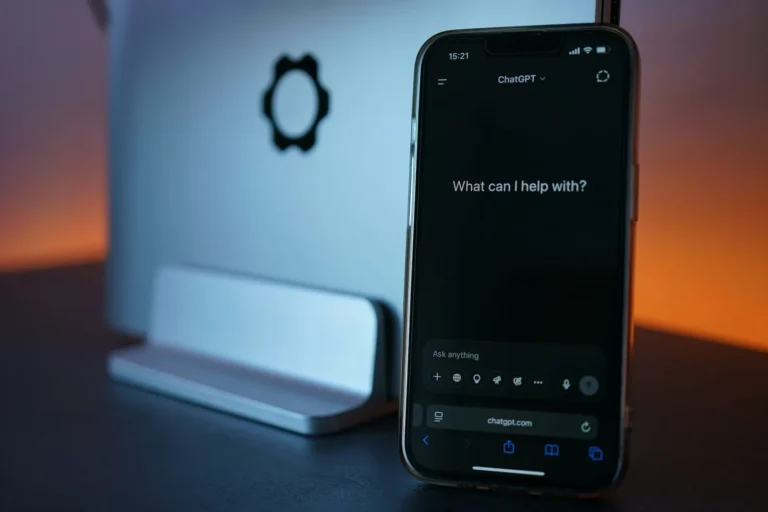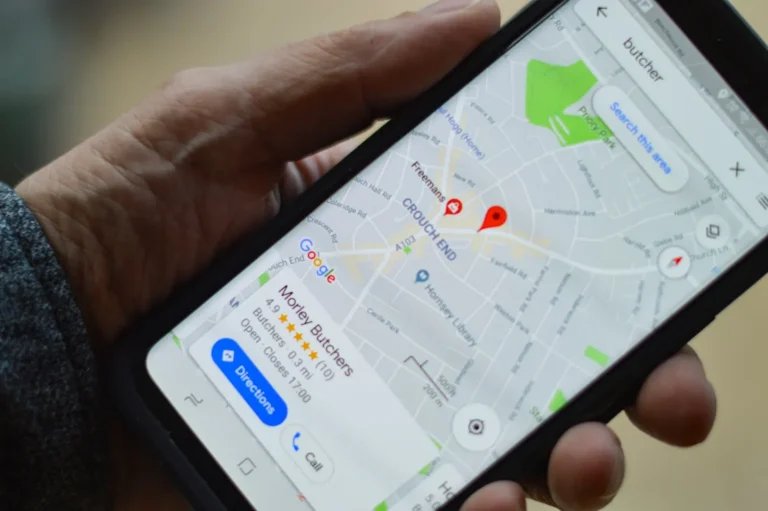

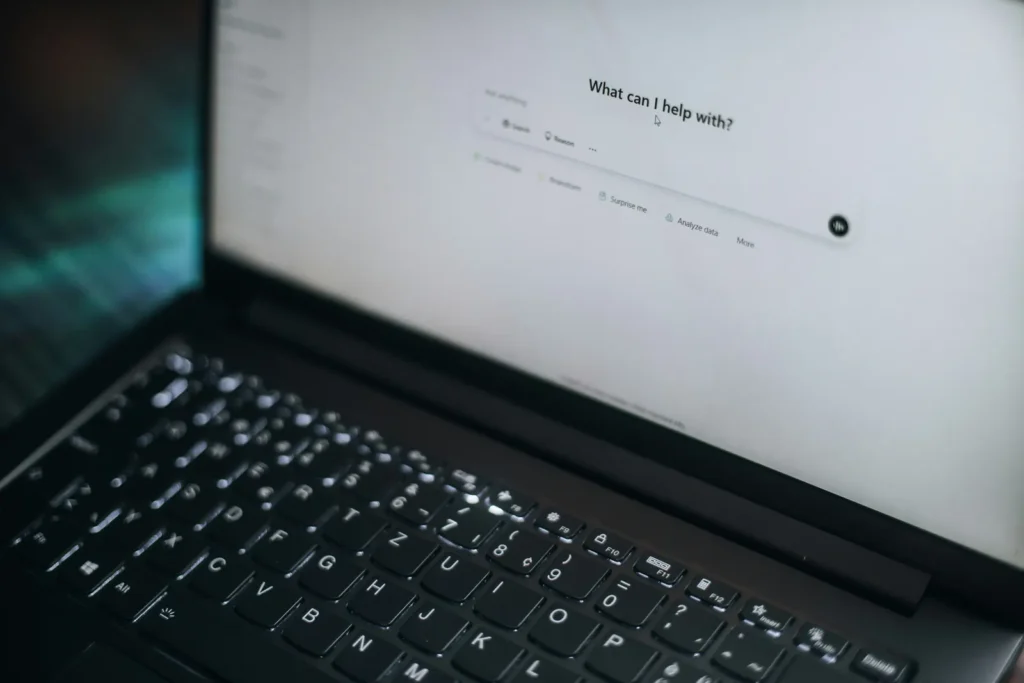
Search visibility is your business’s ability to be found, understood, trusted and chosen across every place a customer looks before they buy — Google results, Google Maps, review platforms and AI assistants like ChatGPT, Gemini and Perplexity. It is broader than SEO. Ranking on Google is one layer of it, and in 2026 it is no longer the layer where most decisions get made. If you are missing from any of the others, you are invisible to a share of your market no matter how well you rank.
The shift is measurable. In the first four months of 2026, 68.01% of US Google searches ended without a single click, according to SparkToro’s analysis of Similarweb clickstream data — up from 60.45% in 2024. Where an AI Overview appears, click-through rates fall by nearly 60%. Meanwhile 45% of consumers now ask an AI tool for local business recommendations, against 6% a year earlier.
Your ranking did not necessarily get worse. The number of ways to be chosen got larger, and most businesses are still only optimizing one of them.
Why “we rank well on Google” is no longer enough
For twenty years, search meant ten blue links. You optimized for Google, you tracked rankings, and the job was done. That world is gone, and the clearest evidence is what Google itself now does with a query.
A customer types a question. Google answers it in an AI Overview, cites three or four sources, and the customer never scrolls. Or the customer skips Google entirely and asks ChatGPT, which names two or three businesses in a sentence. Or they open Maps, look at the three-pack, read the recent reviews, and call whoever looks safest. In none of those journeys does “position 4 for a commercial keyword” do the work you think it does.
There is a second, subtler change. Until recently, being cited in an AI answer was mostly a function of ranking well: in mid-2025 Ahrefs found that 76% of AI Overview citations came from pages in the top 10. By March 2026, across 863,000 SERPs and four million cited URLs, that figure had dropped to 38%. Google’s AI now fans a question out into related sub-queries and pulls sources from that wider topical field instead of from the page that ranks for the exact phrase.
Read that again, because it is the whole argument: ranking number one for your money keyword is now roughly a one-in-three shot at being the business the AI names. The other two-thirds are decided by how thoroughly and how clearly you cover the topic everywhere else.
The shortlist problem
Here is what actually happens before someone contacts you.
They do not compare ten options. They build a shortlist of two or three, and everything after that is confirmation. The shortlist gets assembled from fragments: a Maps result, a friend’s recommendation, an AI answer, a review they skimmed, a page that answered their question clearly. By the time they visit your website, the decision is largely made and they are looking for a reason to say yes or a reason to cross you off.
Named in the AI answer. In the 3-pack. Cited as the source. This is where search visibility work lives, and it happens before the customer knows your name.
Landing pages, CTAs, forms, speed. Essential — but it only operates on people who already made it to you.
Most marketing budgets are spent almost entirely on the right-hand box. That is why a business can have a beautiful, fast, well-converting website and still feel like nothing is happening: the site is excellent at closing a shortlist it was never added to.

The six components of search visibility
We break the work into six components. They are not channels and you do not pick three. They are sequential — each one is close to useless without the one before it.
| Component | The question it answers | What it looks like in practice |
|---|---|---|
| Discoverability | Can machines reach and read you at all? | Indexation, crawl access, site speed, mobile experience, a Google Business Profile that exists and is verified |
| Understanding | Do machines know exactly what you are? | One consistent name, address, phone and description everywhere; a narrow stated specialty; entity and service markup |
| Authority | Why you and not the competitor? | Third-party mentions, expert content, citations, review depth, real credentials |
| Answerability | Can an AI quote you safely? | Direct answers in the first paragraph, specific figures, clean structure, no hedging |
| Experience | Does the visit convert? | Fast pages, obvious next step, proof near the ask |
| Measurement | Did any of it produce a customer? | Tracked enquiries, calls, bookings — not rankings |
The order matters more than the list. A business with beautiful content and a contradictory NAP is working on component four while component two is broken. A business tracking rankings but not enquiries has done all six and cannot prove any of it.
Most businesses do not have a ranking problem. They have a “the machine does not know what you are” problem, and ranking is just the symptom they can see.Aldo Rendón Migliuolo, founder, Remi Creative

How to measure your search visibility
Rankings are a poor proxy now, because the same position produces wildly different outcomes depending on what sits above it. Here is what we actually track for clients, in order of how much it tells you.
- Named-in-the-answer rate. Take the ten questions a customer asks before buying from you. Ask each one in ChatGPT, Gemini and Google AI Mode, in a fresh session. Count how many name your business. That number, tracked monthly, is the closest thing to a single search visibility score.
- Local pack presence across your service area. Not “do I rank” but “do I appear from the neighbourhoods my customers are actually in.” Proximity is one of the strongest Maps signals, so a single check from your own office tells you almost nothing.
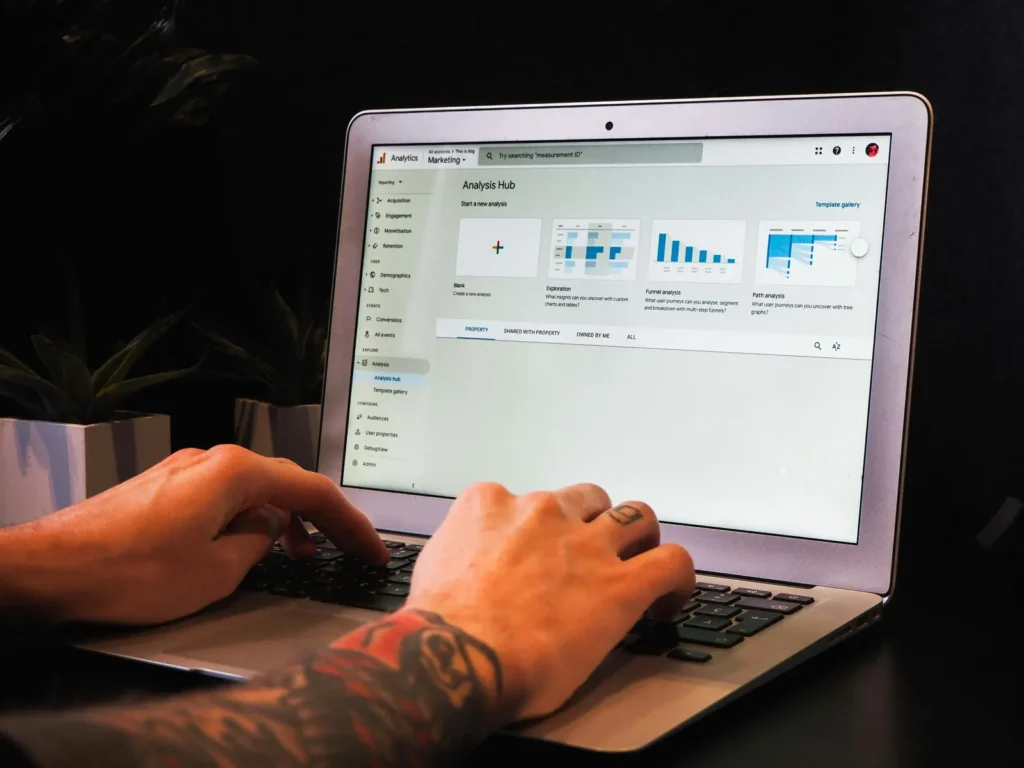
- Impressions versus clicks in Search Console. Rising impressions with flat clicks is the zero-click economy showing up in your own data. It means you are being shown and not chosen — a positioning and snippet problem, not a ranking one.
- Review velocity and recency. Not lifetime count. How many reviews arrived in the last ninety days, because that is the window most customers look at.
- Enquiries by source. Calls, forms and bookings tagged to where they came from. Everything above is a leading indicator; this is the one that pays for the work.
Where to start if you are behind
You do not need all six components at once. You need them in order, and the first two are unglamorous and cheap.
- Make your business name, address, phone and one-line description byte-identical on your website, Google Business Profile and every directory that mentions you. Contradictory information makes you risky to cite, so machines quietly stop citing you.
- Replace “full-service” with a specialty a machine can match to a question. “Full-service agency” gets recommended for nothing. “Bariatric surgeon in Mexico City” gets recommended for exactly that.
- Rewrite your top three pages so the first paragraph answers the question the page is about, in plain sentences with real numbers. That single change serves Google, AI engines and the impatient human equally.
- Ask your last ten happy customers for a review this month, and keep doing it. Recency beats volume, and the gap compounds.
- Set up conversion tracking before you spend another dollar on visibility, so the next ninety days produce evidence instead of opinions.
If you want the sequence with dates attached, we published the 90-day catch-up plan we run with new clients. And if you want to know specifically why AI engines cite some businesses and not others, the seven citation factors are here.
Frequently asked questions
Is search visibility just a new name for SEO?
No. SEO is one component of it. Search visibility covers traditional search results, Google Maps and the local pack, review platforms, and AI answer engines — four surfaces with different ranking logic. A business can rank well on Google and be completely absent from AI answers and the local pack, which is the most common pattern we see.
How is search visibility measured?
By how often you are named or cited, not by where you rank. The practical version: run the ten questions your customers ask before buying through ChatGPT, Gemini and Google AI Mode and count how many name you; check local pack presence from several points across your service area; compare impressions to clicks in Search Console; track review recency; and tag enquiries by source. Rankings alone no longer predict outcomes, because 68% of searches end without a click.
How long does it take to improve search visibility?
Foundations — entity consistency, technical access, structured data — take about thirty days and are usually the largest single jump. Becoming quotable in AI answers takes another thirty to sixty, because engines need to encounter the material and corroborate it elsewhere. Authority compounds from there. Anyone promising AI citations in two weeks is selling you something.
Does search visibility matter for a business that gets most of its work from referrals?
More than average, because referrals get verified. Someone recommends you, and the person they recommended you to searches your name, reads your reviews, or asks an AI whether you are any good. A weak search presence does not stop the referral from happening; it stops the referral from converting. This is the quietest way businesses lose work they had already won.
Want to know where you are actually visible — and where you are not?
Our free visibility snapshot checks where your business appears across Google, Maps and AI answers, and names the three gaps worth fixing first. Written, in five business days. No pitch.
- SparkToro / Similarweb, via Search Engine Land — Google zero-click searches reach 68% in early 2026
- BrightLocal — Local Consumer Review Survey 2026: AI & trust (1,002 US consumers, March 2026)
- BrightLocal — Local Consumer Review Survey 2026 (February 2026)
- Ahrefs — 38% of AI Overview citations pull from the top 10 (March 2026, 863K SERPs)
- Ahrefs — 76% of AI Overview citations pull from the top 10 (July 2025, 1.9M citations)