
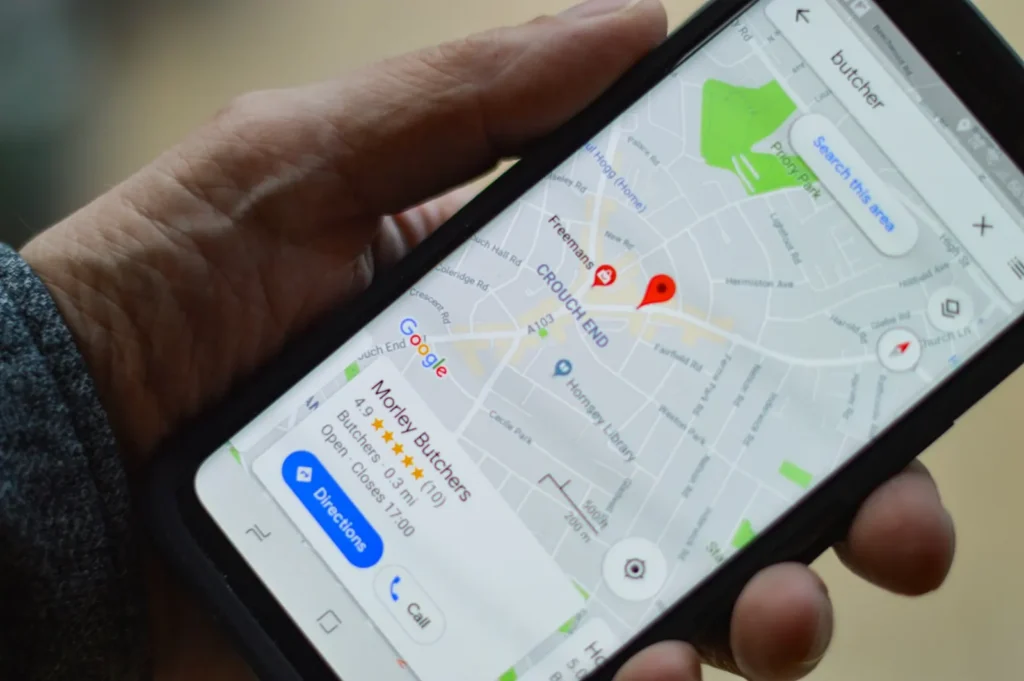
Winning Google Maps in 2026 comes down to three signal groups — profile completeness, review velocity and local relevance — reinforced by your website’s local structure. The Maps pack is where urgent, high-intent local decisions get made, and it is increasingly what AI assistants draw from when someone asks “who should I call.”
Two things changed this year and both are measurable. Whitespark’s 2026 Local Search Ranking Factors report, built from 47 local SEO practitioners, found that review signals and behavioural signals both rose in weight, and that a new factor entered the top five outright: whether your business is open at the moment someone searches. And BrightLocal’s 2026 survey of 1,002 consumers found the bar for what counts as an acceptable review profile moved sharply upward.
Here is the playbook we run for local clients, in the order we run it.
Your Google Business Profile is a landing page. Treat it like one.
Most businesses fill in a profile once and never return to it. That profile is doing more ranking work than your homepage.
The Whitespark panel ranked the top local pack factors by weight, and the shape of the list is instructive:
| Rank | Factor | Score |
|---|---|---|
| 1 | Primary GBP category | 227 |
| 2 | Proximity of address to the point of search | 225 |
| 3 | Keywords in the GBP business title | 223 |
| 4 | Physical address in the city of search | 213 |
| 5 | Business is open at the time of search | 189 |
Three of the top five are things you control from inside the profile, today, for free. The other two are geography.
Your primary category is the single strongest lever you own. Not the secondary ones — the primary. Pick the one that matches the job a customer is trying to get done, not the one that describes your business most completely. A clinic that does implants and general dentistry ranks very differently depending on which of those it declares first.
Business hours being accurate is now a ranking factor, not just a convenience. If your hours are wrong, you disappear from searches during the times you are actually open, and you appear during times you are closed — which costs you the click and the review that follows it.
Then the rest of the surface: every field complete, service areas defined, booking links live, attributes set, and fresh photos monthly. Photos are not decoration; they are an activity signal.
Reviews: velocity beats volume
This is where the consumer bar moved hardest in 2026, and where most local businesses are quietly failing.
- 74% look for reviews written in the last three months, and 32% want reviews from the last two weeks — up from 20% a year ago. A hundred reviews from 2023 reads as a business that stopped.
- 47% will not use a business with fewer than 20 reviews. If you are under twenty, you are below the consideration threshold for roughly half your market regardless of how good you are.
- 68% now require four stars or more, up from 55% in 2025, and 31% want 4.5+. The tolerance for a mediocre average is collapsing.
- 89% expect the owner to respond, 81% within a week, and 19% the same day. Responding to all reviews makes 80% more likely to use you — but generic replies make 50% less likely. Copy-paste is worse than silence.
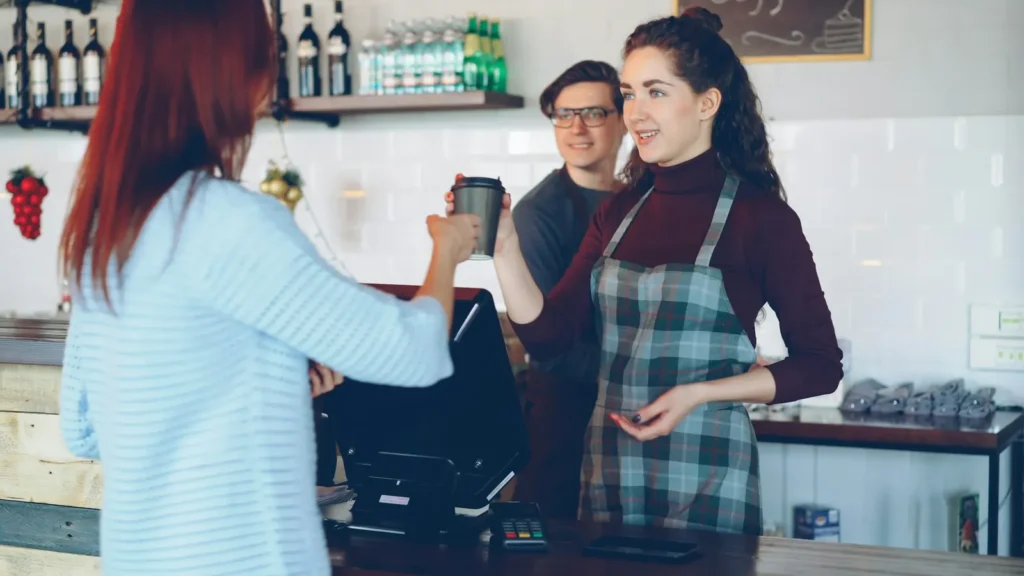
The practical version: a steady trickle beats a burst. Ten reviews a quarter, forever, outperforms fifty reviews once. Build the ask into the moment the work is delivered, not into a campaign you run when rankings dip.
A review profile is not an asset you build. It is a heartbeat. The moment it stops, customers read that as the business having stopped too.Aldo Rendón Migliuolo, founder, Remi Creative
Service-area pages that actually serve
Proximity is the second-strongest Maps factor and the one you cannot change — you are where you are. What you can change is how well your website supports the areas you serve beyond your own postcode.
The failure mode is familiar: twenty near-identical pages with the town name swapped. Those do nothing, and at scale they look like what they are. A service-area page earns its place when it contains something true only about that area — a project you did there, the specific regulations or conditions there, travel and response times, local landmarks a resident would recognize, the questions customers from that area actually ask.
Our rule: if you cannot write 300 words about serving that area that could not be copy-pasted to the next town over, do not make the page. Three real ones beat twenty templates.

Local schema and consistency
Your name, address and phone should be byte-identical on your website, your Google Business Profile and every directory that lists you. Not “basically the same” — identical. “Suite 4” and “#4” are two different businesses to a parser.
Add LocalBusiness markup with your real address, phone, opening hours and service area, and make sure it agrees with what is on the page and in the profile. Schema is not a ranking booster on its own, but contradiction between your markup and your profile is an active problem: it makes you ambiguous at exactly the moment a machine is deciding whether to name you.
The AI layer of local
The reason local SEO suddenly matters more, not less: 45% of consumers now ask an AI tool for local business recommendations, up from 6% a year earlier. AI has become the third most-used tool for finding local businesses, behind only Google and Facebook, and ahead of Yelp and TripAdvisor.
Two consequences worth internalizing.
First, the assistants are drawing heavily on the same Google Business Profile and review data you have been neglecting. A clean, active, well-categorized profile is now an AI visibility asset, not just a Maps one.
Second, the citation is not the finish line. 88% of people who get an AI recommendation fact-check it, and 42% always cross-check on a native review platform. The AI names you, the customer opens your Google profile, and your thin review set talks them out of it. You can win the recommendation and lose the customer in the same thirty seconds.
The first 30 days

- Audit your primary category. Look at the three businesses ranking above you in the pack and check theirs. If yours describes your business rather than the job, change it and watch for two weeks.
- Fix hours and completeness. Every field, real hours including holidays, service areas, attributes, booking link. This is a one-hour job that is now a ranking factor.
- Start the review habit. Ask every completed customer, the day the work lands. Target ten in the first month and never stop. If you are under twenty total, this is your highest-value activity, full stop.
- Reply to every review, specifically. Name what they mentioned. Generic replies measurably hurt.
- Check your NAP everywhere. Website, profile, top ten directories. Make them identical, then add or fix LocalBusiness markup to match.
- Post photos monthly. Put it on a recurring calendar entry so it survives a busy month.
For the wider picture of how Maps fits alongside Google results and AI answers, start with what search visibility means in 2026. For the AI side specifically, the seven citation factors are here.
Frequently asked questions
What is the single most important Google Maps ranking factor?
Your primary Google Business Profile category. In Whitespark’s 2026 report, drawn from 47 local SEO practitioners, it scored highest of all local pack factors (227), just ahead of proximity to the searcher (225) and keywords in the business title (223). It is also the factor most businesses set once and never revisit.
How many Google reviews do I need?
Twenty is the practical threshold: 47% of consumers say they will not use a business with fewer than twenty reviews. But recency matters more than total — 74% look for reviews from the last three months and 32% want them from the last two weeks. A steady flow of ten per quarter outperforms a one-time push to fifty.
Do I need to respond to every review?
Yes, and specifically. 89% of consumers expect owners to respond, 81% within a week, and 19% the same day. Responding to all reviews makes 80% of consumers more likely to use a business — but 50% say generic, copy-pasted responses make them less likely. A templated reply is worse than no reply.
Do service-area pages still work?
Real ones do. Templated pages with the town name swapped add nothing and can dilute your site. A service-area page works when it contains something true only about that area: a project done there, local conditions or regulations, response times, questions customers from that area actually ask. Three genuine pages beat twenty templates.
Does Google Maps ranking affect whether AI recommends my business?
Increasingly, yes. AI assistants draw on Google Business Profile and review data when answering local questions, and 45% of consumers now ask AI for local recommendations — up from 6% a year earlier. A complete, active, correctly categorized profile with recent reviews now feeds both the local pack and the AI answer.
Not sure why your competitor is in the 3-pack and you are not?
Our free visibility snapshot checks your local pack presence across your service area, your review position against competitors, and whether AI assistants name you. Written, in five business days.
- Whitespark — 2026 Local Search Ranking Factors (47 contributing practitioners)
- BrightLocal — Local Consumer Review Survey 2026 (1,002 US consumers, February 2026)
- BrightLocal — Local Consumer Review Survey 2026: AI & trust (March 2026)